Human-centered design consulting that drives transformation.
Looking to improve your customer experience, product design, or the way people feel about your brand? We bring in your customers to work side-by-side with your team on solutions that drive preference and foster loyalty.
What is human-centered design?
Human-centered design is a design approach that centers on the human perspective. It involves understanding end users’ needs, emotions, and behaviors to create solutions that people want. Rather than designing around business goals or technical capabilities, human-centered designers create solutions for the people who will actually use them.
Human-centered design blends behavioral science and business strategy.

Behavioral Science
- Customer Interviews
- Design Research
- Journey Mapping
- Employee Interviews
- Jobs-to-be-Done Theory

Human-Centered Design
Business Strategy
- Design Thinking
- Design Strategy
- Experience Design
- Implementation
- Measurement

Our approach as a human-centered design firm.
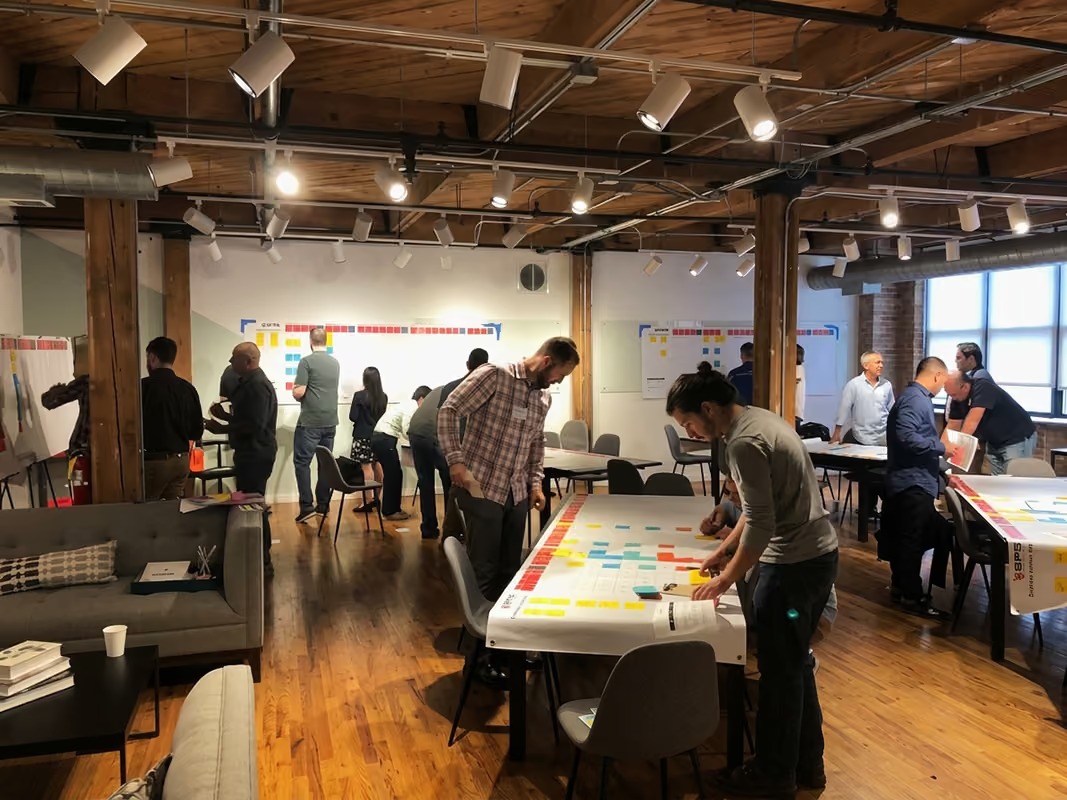
What makes our approach unique is that we involve your customers, patients, and other end users throughout the human-centered design process. Every step is influenced by their voice, from research to design and implementation.
Your team designs solutions both for and with the people you serve — gaining deep insight into their needs, behaviors, and perceptions along the way.
“I wouldn’t say we were guessing, but you’re never entirely sure about the needs and desires of customers. This research and information allows us to be more specific, and it’s given our customer-facing employees more tools and confidence in what consumers want.”
“Cast & Hue empowered our team to take ownership of the human-centered design process. It was a win-win: they not only delivered outstanding results for our project but also provided hands-on training that equipped us with the skills to apply these methods to future projects. The investment in our team's development was truly invaluable."
Our process & design toolbox.
We start with human-centered design research to understand the end user’s perspective. Then we use proven design tools and frameworks to help you design human-centered experiences, services, products, and interfaces.
The power of human-centered design consulting.
Drive sales & referrals
Differentiate your brand
Improve loyalty


The Challenge

Our Approach

The Results
More than a human-centered design studio.

Journey Mapping

Consumer Insights

Design Thinking

Experience Design
FAQs about human-centered design.
Learn more about our human-centered design consulting services.
What is Cast & Hue’s experience with human-centered design?
Cast & Hue has specialized in human-centered design consulting since our founding in 2014. We’ve partnered with orgs across sectors, from SaaS and healthcare to CPG, always bringing the end user’s perspective into the process to create solutions that work for people and the business.
We’re a collective of researchers, designers, and strategists with a wide range of tools to approach every design challenge. Our consultants bring unique backgrounds and experiences to each project, and we match you with the team members who are best positioned to bring value to your initiative.
What types of challenges can human-centered design consulting help solve?
We’ve used it to help organizations improve customer and patient experiences, develop new products and services, address retention challenges, and uncover opportunities for innovation.
What does a human-centered design consulting engagement look like?
Every engagement looks a little different because we start with the challenge, not a predetermined process. Typically, we begin with research to understand the people you’re designing for, then bring your team and end users into the process to develop and refine ideas.
Depending on your goals, that might include interviews, journey mapping, collaborative workshops, service design, experience strategy, or testing ideas with the people who will actually experience them.
Can you combine human-centered design with design thinking or journey mapping?
Yes. Human-centered design is a fundamental approach, rather than a strict framework. All of our projects are human-centered by nature, including those that involve specific methodologies like journey mapping, design thinking, or Jobs-to-be-Done.
Can you teach our team to run human-centered design workshops?
Yes. We train human-centered design skills in the context of a real challenge (by working on your experience strategy, service design, or product development) so that your team learns while seeing the impact in real time. To learn more, read about how we trained the team at Baystate Health.
What makes this approach so effective?
Human-centered design requires a foundational understanding of the people you’re designing for. By asking the right questions and digging in where it matters, you can test internal assumptions against what people actually tell you and see the situation from a fresh lens.
Involve end users in the design process, and they can surface ideas your team may not have considered. You also gain valuable feedback in real time. This results in solutions that solve the right problems, insights that improve marketing precision, and innovations that differentiate you. Read more about the importance of human-centered design.
How can human-centered design help us gain a competitive edge?
Most organizations have a baseline understanding of what consumers want, but haven’t had the opportunity to understand the people they serve at an emotional level. This is why many experiences miss the mark or fail to “wow” people.
Human-centered design brings in the voice that many orgs exclude — the end user’s — to create solutions that stand out, solve the real problems, and show consumers you’re listening to them.


